Week One — February 10
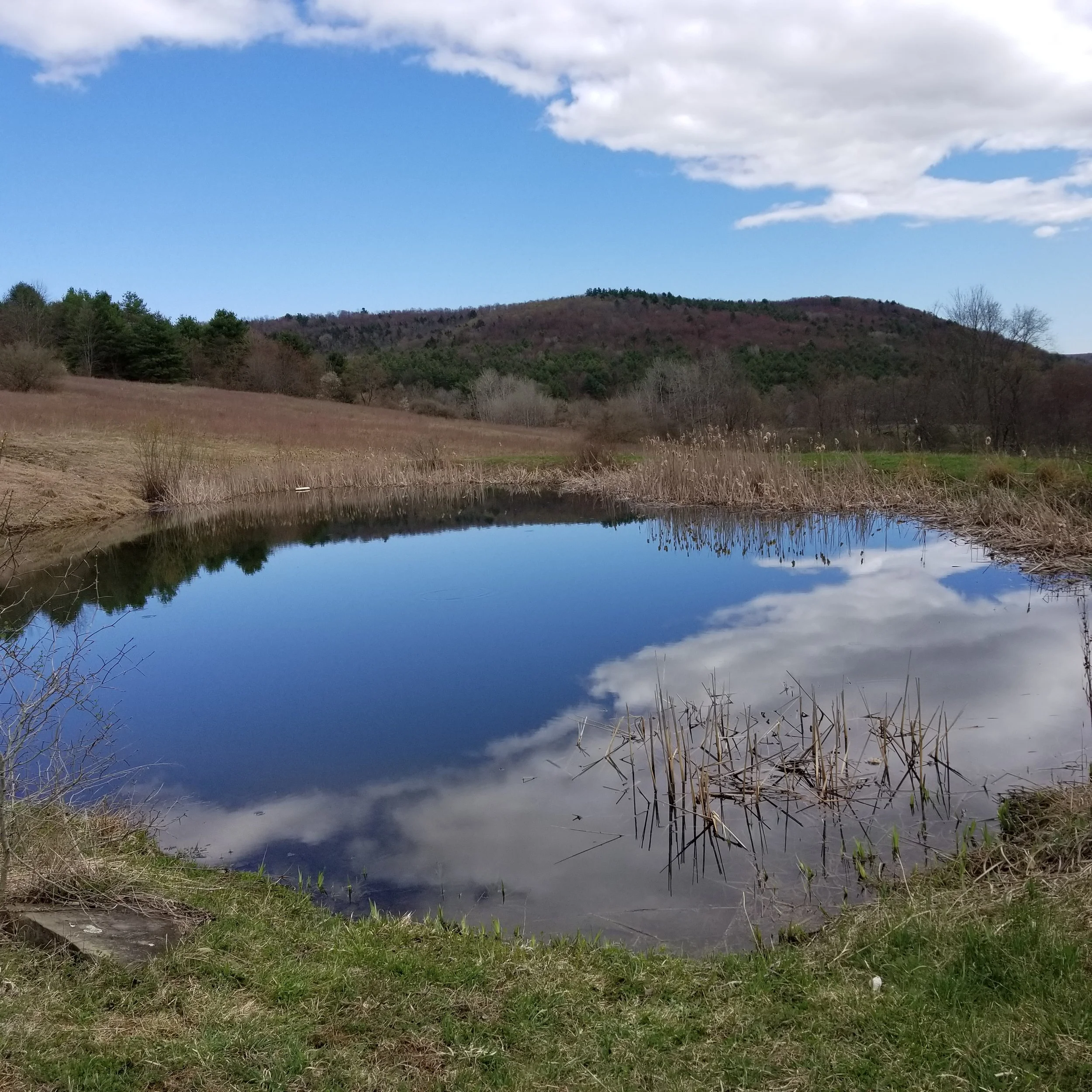
Rune Hill — Spencer, New York
The Fundamental Questions
This week, get to know one another and learn a bit about everyone’s writing projects. In particular, we explore these essential questions:
Why are you writing this book (or essay) for you?
Why are you writing it for others?
Who is your intended audience?
What important elements will make up your true story?
Supplemental Readings for Week 1
David Ulrich, “Penetrating Magic”
Parabola, Fall 2024
Terry Tempest Williams, “Why I Write”
Other Suggested Readings
Annie Dillard, The Writing Life
Anne LaMott, Bird by Bird
Steven King, On Writing: A Memoir of the Craft
Nature Prompt
Go outside and talk a walk with one of the people you’re writing this for. Here are some suggestions for doing that.
Pick someone you would like to have as a reader. You can be creative. It can be someone you know or someone whose work you admire. (For instance, I did an exercise like this when I was writing The World Is a Waiting Lover by hanging out with Dante.)
Invite that person to go on a walk with you.
While you’re doing this practice, refrain from talking to others, distracting yourself with your phone or reading material, and eating.
Step over a threshold that you create, and affirm for you and your companion that you are now in liminal time and space, where all things have meaning, and intuition and communication with the mysterious other is more accessible.
As you walk, tell your reader-companion about your writing project. Be honest about both your excitement and your concerns. Pause now and then to “listen” to the other. If you get a hint or even some direct counsel, pay attention. Consider writing it down.
You might find a tree, a rock, or a river to take on the persona of your reader. If so, invite that person to tell you more about their response to your project.
When you think you’ve walked enough, walk a little more!
When you return, thank your companion for walking with you and step back over the threshold to the world of everyday.
Topic for Week 2: Using Dynamic, Evocative, Active Language
Preparation for next meeting
Think about your own creative process. What works? What is your biggest hurdle in writing?
Bring in a sample of dynamic language, either from your own writing or someone else’s